
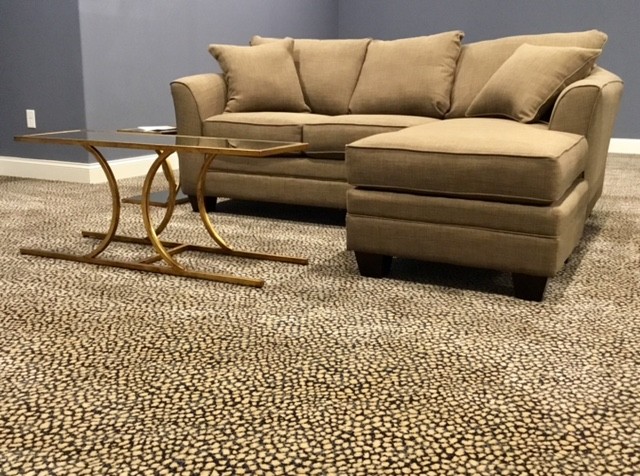
On a cold evening in Waverly, the living room tends to become the center of the house. It is where kids sprawl out for movies, where pets claim their corner, and where hard floors can start to feel a little too echoey. If you want that space to feel warmer and quieter, carpet deserves a serious look.
The right floor does more than soften the room. It changes how sound moves, how comfortable the space feels underfoot, and how well the room handles daily traffic. That matters in Nebraska homes, where winter dryness, muddy spring shoes, and long indoor seasons all put materials to work.
Start with comfort, but pay attention to sound
Most people begin with softness, and that makes sense. A living room carpet should feel good when you walk across it in socks or sit on the floor with family. Cushion matters here, but so does construction. A denser style often feels more supportive and tends to hold up better in the paths people use every day.
Sound control is the other big reason homeowners choose carpet for this room. Upholstered furniture helps, but fabric underfoot can absorb noise that would otherwise bounce off walls and ceilings. If your current space sounds hollow during conversations or loud during playtime, browsing different living room carpet styles can help you compare textures that bring both comfort and a quieter feel.
Match the style to the way your room is used
A formal sitting room and a family hangout do not need the same surface. If the room sees snacks, pets, and constant traffic, lower-profile textures are often easier to maintain than plush piles that show every footprint. They still feel inviting, but they usually hide everyday wear better.
Color also does more work than many people expect. Mid-tone shades tend to be forgiving, while very light colors can highlight spills and darker tones may show lint or pet hair. In an older Lincoln home with a busy household, practical often wins over dramatic. That does not mean plain. It means choosing something that still looks good on an ordinary Tuesday.
If your living room connects to the kitchen or entry, it also helps to think about the whole flow of the house. We often help homeowners coordinate soft seating areas with nearby storage, trim, and finishes, so it is worth looking at cabinet colors and door styles when you want the adjoining spaces to feel intentional.
Don’t overlook the pad and the installation
The carpet itself gets most of the attention, but the pad underneath has a huge effect on comfort and performance. A better cushion can make a room feel fuller and more insulated, while the wrong one can leave the floor feeling flat or wearing unevenly. That is one reason we talk through the full system instead of focusing on the surface alone.
Installation matters just as much. Seams, transitions, and stair edges all affect how finished the room looks and how well the floor lasts over time. Because we handle measuring, planning, and installation under one roof, our flooring and remodeling services keep the process clear from the first visit to the final walkthrough.
Think about real life, not just the showroom sample
A small sample can only tell you so much. Before you decide, picture the room during a full week of living in it. Think about sunlight, pet traffic, weekend guests, and how often someone is carrying in snowmelt or grit from outside. The best choice is usually the one that balances softness, cleanability, and durability without asking you to baby it.
That practical mindset has shaped our work for years. As a family-owned team, we believe good guidance should make the decision easier, not more confusing, and you can get a feel for that in what homeowners say about us.
A cozy living room should feel comfortable the moment you step into it. If you are ready to compare options and talk through what fits your home best, you can start with a free in-home estimate.